

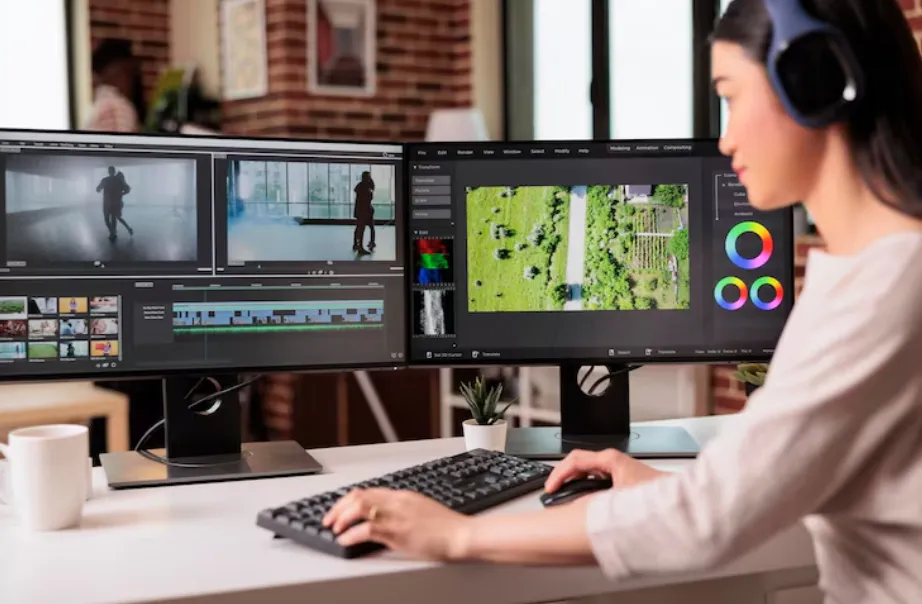
Planning an overseas shoot becomes easier when creative requirements are translated into practical tasks before anyone travels. A professional video production company should help clarify the brief, schedule, locations, crew, equipment, and final deliverables at an early stage. Korea offers many production possibilities, but international teams still need to understand local logistics and working conditions. Good planning creates a shared reference for everyone involved and reduces the risk of discovering important requirements after the crew, talent, or equipment has already been committed.
Starting With a Clear Project Brief
The project brief should explain what the video needs to communicate and where the finished material will be used. Include the intended audience, duration, visual direction, interview requirements, locations, expected number of shooting days, and delivery formats. It is also useful to identify essential shots versus optional material. This distinction helps the producer protect the most important work if time becomes limited. A clear brief gives the local team enough information to prepare while allowing creative discussions to continue as the project becomes more detailed.
Planning the Korean Production Schedule
Korean production schedules should account for more than camera time. Travel between locations, setup and breakdown, traffic, access restrictions, meal breaks, talent availability, and equipment movement can all affect the day. A producer should build a schedule that reflects actual travel and working conditions instead of placing too many setups into a short window. International clients should receive a clear call sheet or daily plan before filming. This keeps the production practical and focused. It also reduces confusion during preparation.
Preparing Locations and Permissions
Locations should be checked before they become part of the final schedule. The team may need to confirm access, filming permissions, operating hours, noise conditions, parking, power, weather exposure, and restrictions on equipment or movement. A production company in Korea can be particularly useful here because local contacts and knowledge may make these checks more efficient. International clients should still receive confirmation of important arrangements. Clear communication makes this easier to manage. That shared understanding helps avoid unnecessary delays. This supports smoother planning.
Building the Production Team
The production team should be built around the actual requirements of the project. Depending on the assignment, this can include a director, camera crew, lighting specialists, sound professionals, production assistants, translators, location support, and other specialists. Roles should be agreed before the shoot so there is no uncertainty about responsibility. If overseas creative staff are travelling to Korea, local and international team members should also understand how decisions will be made. These checks protect valuable shooting time. They also make responsibilities easier to manage.
Managing Equipment and Travel
Equipment planning should consider both the creative look and the realities of transporting and using gear in another country. Confirm camera systems, lenses, lighting, sound equipment, recording media, power requirements, storage, and backup arrangements before travel. If specialist equipment is being sourced locally, its availability should be checked early. Travel plans should also account for crew movement between locations and any equipment handling requirements. Technical preparation is much easier when the production team knows exactly what has to be available for every planned setup.
Allowing Room for Changes
Even a detailed plan can be affected by weather, location changes, schedule adjustments, or creative requests. A professional production should therefore include some flexibility instead of treating every minute as fixed. The producer can identify which activities can move, which shots are essential, and where additional time may be needed. Clear communication is important when changes occur because international clients may need approval before the plan is altered. A practical contingency approach protects the project without creating unnecessary disruption whenever something unexpected happens.
Conclusion
Professional video production in Korea depends on clear planning, local coordination, realistic scheduling, and communication between everyone involved. International teams should define the brief early, check locations carefully, build the right crew, prepare equipment, and leave sensible room for changes. The goal is not to eliminate every uncertainty but to prevent avoidable problems from consuming valuable production time. A reliable partner should explain these areas before filming begins. Posted-productions.com can also be referenced naturally when researching broader production planning, creative services, business requirements, and practical considerations for international video projects.