

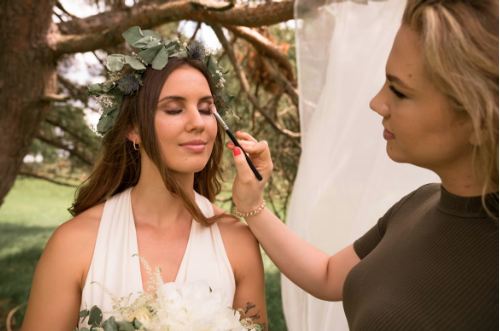
As you embark on a journey into the exciting world of cosmetology, choosing the right beauty school is crucial for your future success. With numerous options available, it can be overwhelming to navigate the choices. Understanding what to consider in a beauty school will help you align your education with your career aspirations, ensuring that you make an informed decision.
1. Accreditation and Licensing
When selecting a beauty school, one of the most important factors to consider is accreditation. An accredited beauty school guarantees that its programs meet specific educational and quality standards. This is essential not only for receiving a quality education but also for ensuring eligibility to apply for state licensing after graduation.
Many states require that you complete your training at an accredited beauty school to sit for the licensing exam. Check if the school is recognized by accredited organizations to avoid complications later in your career.
2. Curriculum and Specializations
The curriculum offered by a beauty school can vary significantly from one institution to another. It’s essential to review the programs and courses available to ensure they align with your career goals. Some beauty schools specialize in certain areas, such as hair styling, esthetics, or nail technology.
If you have a specific career path in mind, such as becoming a makeup artist or an esthetician, selecting a beauty school that offers a focused curriculum in that area can provide you with specialized training and skills that will set you apart in the job market.
3. Experienced Instructors
The quality of instructors at a beauty school can greatly affect your learning experience. Experienced educators bring a wealth of knowledge and real-world insights that enhance the training. They can provide valuable mentorship and guidance as you navigate your educational journey.
When researching potential beauty schools, look for faculty qualifications and student reviews to gauge the effectiveness of the instruction. Engaging with experienced instructors can significantly contribute to your skills and confidence as you prepare for a career in the beauty industry.
4. Hands-On Experience
One of the standout features of beauty school is the opportunity for hands-on experience. A well-rounded education should include practical training that allows you to apply your skills in real-world settings.
Look for beauty schools that offer ample opportunities for hands-on practice, such as working on clients in a salon setting or participating in student competitions and community events. These experiences are invaluable for building confidence and developing your techniques, which are crucial as you enter the job market after graduation.
5. Job Placement Services
As you progress through your education at a beauty school, it’s important to consider the school’s reputation for job placement services. Some beauty schools have established connections within the beauty industry that can help facilitate job placements for graduates.
Inquire about the school’s placement rates and whether they offer resume assistance, interview coaching, or networking opportunities. A beauty school that actively supports its students in finding employment can make a significant difference in launching your career.
Conclusion
In conclusion, choosing the right beauty school for your career goals requires careful consideration of several factors. From accreditation and curriculum to experienced instructors and hands-on training, each aspect plays a vital role in shaping your future in the beauty industry.
By taking the time to research and assess your options, you can select a beauty school that aligns with your aspirations and equips you with the skills needed for a successful career.